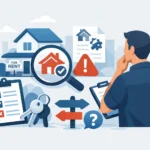
A home can look clean, updated, and well cared for – and still have elevated radon levels. That is why one of the most common questions during a real estate transaction is when should buyers get radon testing. The short answer is before closing, during the inspection period, while there is still time to understand the results and decide how to respond.
For buyers, timing matters just as much as the test itself. Radon is a naturally occurring gas that you cannot see or smell, and a high result does not usually come with obvious warning signs. If testing is delayed until after settlement, the buyer may be left handling the cost, scheduling mitigation, and any related concerns without the leverage that exists during the contract period.
When should buyers get radon testing during a purchase?
In most cases, buyers should schedule radon testing as early as possible after the contract is accepted. The ideal window is alongside the general home inspection or within the same inspection contingency period. That gives everyone time to receive the result, ask questions, and determine whether mitigation or further review is needed.
A radon test is not something to leave for the last minute. Standard real estate timelines can move quickly, especially in competitive Maryland markets. If the test starts too late, there may not be enough time to negotiate repairs, request a credit, or arrange a follow-up test if conditions were not ideal.
This is especially relevant for first-time buyers. Many assume the home inspection covers everything automatically, but radon testing is often a separate service. If it is not requested upfront, it may be missed until the transaction is already moving toward closing.
Why the inspection period is the right time
The inspection period is the buyer’s best opportunity to gather facts before the purchase becomes final. That includes the condition of the roof, structure, systems, and environmental concerns like radon. Testing during this stage keeps the process practical.
If the radon level comes back below the EPA action level, that result can provide reassurance. If it comes back high, the buyer still has options. Depending on the contract and local practice, those options may include asking the seller to install a mitigation system, requesting a credit, or negotiating another solution.
The key advantage is flexibility. Before closing, the buyer has room to make an informed decision. After closing, that flexibility usually disappears.
Why buyers should not wait until after closing
Waiting until after settlement can turn a manageable issue into an out-of-pocket expense. Radon mitigation is usually very effective, but it is still one more project to schedule and pay for after moving in.
There is also a peace-of-mind issue. Most buyers want confidence that the home they are purchasing is safe and that there are no hidden conditions likely to affect their family or future costs. Getting the test done before closing supports that goal.
Some buyers hesitate because they worry a radon result will complicate the deal. In reality, testing does not create the problem – it reveals it. A clear result helps you move forward with better information, and a high result is often a solvable issue when addressed at the right point in the transaction.
Homes that make buyers ask about radon testing
Any home can have a radon issue, including older homes, renovated homes, and new construction. Buyers sometimes assume radon is only a concern in properties with basements or in visibly aging homes. That is not a safe assumption.
Radon enters through the ground and can affect homes with basements, crawl spaces, and slab-on-grade construction. Local geology matters more than appearance. One house can test low while a nearby house tests high, even if they are in the same neighborhood.
That is why buyers should think less about whether a home looks risky and more about whether the home has actually been tested under proper conditions.
Finished basements deserve extra attention
If the home has a finished basement, a home gym, a lower-level bedroom, or any frequently used space below grade, radon testing becomes even more relevant. Radon concentration is often highest in the lowest livable area of the home.
For buyers planning to spend significant time in the basement, a pre-closing test is a straightforward step that can remove uncertainty.
New homes are not automatically exempt
Buyers are sometimes surprised to learn that brand-new homes can also have elevated radon levels. New construction does not guarantee low radon. In some cases, tighter building envelopes can actually make testing more important because indoor air behavior may differ from what buyers expect.
For new-construction buyers, the best time to discuss radon testing is before the final walkthrough or before the builder handoff is complete.
What happens if the test result is high?
A high radon result does not automatically mean a buyer should walk away from the purchase. In many cases, it means the parties need to address the issue clearly and promptly.
Radon mitigation systems are common, and they are generally effective when professionally installed. What matters most in the transaction is how soon the issue is identified and whether there is enough time to negotiate a fair resolution.
Sometimes the seller agrees to install a system before closing. In other cases, the buyer may prefer a credit and handle the installation after settlement. There is no one-size-fits-all answer. The right path depends on the contract terms, the timing, the seller’s willingness to cooperate, and the buyer’s comfort level.
This is where a practical inspection process helps. Buyers need clear results, plain-language explanations, and enough time to use that information wisely.
When should buyers get radon testing if the seller already tested?
If the seller provides a recent radon result, buyers should still review it carefully before deciding whether it is enough. The age of the test, the company that performed it, the test method, and whether proper closed-house conditions were followed all matter.
A seller’s prior test may be useful, but buyers should not assume it removes the need for independent testing. If the test is older, incomplete, or lacks clear documentation, a new test during the buyer’s inspection window is often the safer choice.
Independent testing also gives buyers confidence that the result reflects current conditions and was ordered with their interests in mind.
Maryland buyers should plan ahead
In Maryland transactions, deadlines can be tight, and inspection decisions often happen quickly. Buyers who wait to ask about radon testing may find themselves trying to fit it into an already compressed schedule.
The better approach is to raise the question as soon as the contract is signed. If you know you want radon testing, schedule it immediately with the inspection. That reduces the chance of delays and makes it easier to address the result before contingency deadlines expire.
For buyers in the Baltimore area, where many homes include lower-level living spaces, this can be especially important. A timely test is a small step compared to the long-term value of understanding the home’s indoor air conditions before you take ownership.
A practical way to think about the decision
If you are asking when should buyers get radon testing, the safest answer is simple: before closing, during the inspection period, and early enough to act on the results. That timing protects your negotiating position, reduces surprises, and gives you a clearer picture of the property.
At InSpec Home Inspections Maryland, that is the kind of information we believe buyers should have before making a final decision. A home purchase already comes with enough moving parts. Radon testing should bring clarity, not last-minute stress.
The best time to test is when the result can still help you make a confident choice.