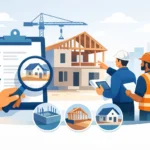
A brand-new home can look flawless on walkthrough day and still have missing insulation, unsafe wiring details, improper grading, roof defects, or plumbing issues hidden behind finished surfaces. That is why a new construction inspection guide matters. New does not always mean defect-free, and buyers who assume the city or county inspection has covered everything often learn too late that municipal inspections and private inspections serve very different purposes.
For most buyers, a new build is one of the largest purchases they will ever make. The challenge is that construction moves fast, multiple trades work on the same property, and small oversights can compound into expensive repairs after closing. A private inspection helps you catch concerns while the builder still has the chance and responsibility to correct them.
Why a new construction inspection guide matters
A new home goes through many hands before you get the keys. Framing crews, roofers, electricians, plumbers, HVAC installers, drywall crews, flooring installers, and finish carpenters all work on tight timelines. Even good builders can have quality control gaps, especially when subcontractors are rotating between multiple job sites.
The biggest misconception is that a final municipal approval means the house is complete in every practical sense. In reality, code inspections are limited in scope and time. They are not the same as a buyer-focused inspection. A private inspector is looking at the home from your side of the transaction, with attention to workmanship, function, safety, and conditions that may affect ownership costs later.
That distinction matters in Maryland, where seasonal moisture, drainage patterns, roof wear, attic ventilation, and basement conditions can all affect how a home performs over time. A clean-looking home can still have flashing problems, grading that pushes water toward the foundation, or HVAC performance issues that only become obvious once the system is tested carefully.
The three phases that matter most
The strongest approach is usually not one inspection, but a series of inspections timed to the construction process. That gives you the best chance to identify problems before they become concealed.
Pre-pour or foundation phase
This phase happens before concrete is poured or before the foundation stage is fully completed, depending on the project timeline. Not every buyer schedules this inspection, but it can be useful when site drainage, foundation preparation, reinforcement details, or waterproofing measures are concerns.
This phase is especially valuable on sloped lots or sites with visible drainage challenges. If grading and water management are handled poorly from the start, you may deal with moisture issues long after the landscaping is finished.
Pre-drywall inspection
For many buyers, this is the most important stage. Once drywall goes up, critical systems become much harder to evaluate visually. A pre-drywall inspection gives a clear look at framing, electrical rough-in, plumbing rough-in, ductwork, insulation preparation, and general installation quality.
This is often where inspectors find things like cut or drilled framing members, disconnected ducts, missing nail plates, plumbing lines placed incorrectly, or areas that may create air leakage and comfort problems later. A builder can usually address these items far more efficiently before finishes are installed.
Final inspection before closing
The final phase happens when the home appears complete and utilities are on. This is the inspection most buyers expect, but it should not be the only one if you have access earlier. At this point, the inspector evaluates roofing, exterior components, grading, doors and windows, appliances, outlets, HVAC operation, plumbing fixtures, attic access, insulation visibility where possible, and overall function of the major systems.
A final inspection also helps identify incomplete items and workmanship defects that can go on a punch list. Cosmetic issues may not be the primary focus of a home inspection, but function and installation quality still matter because they often affect long-term durability.
What a private inspector is actually looking for
A solid new construction inspection guide should answer a basic question: what gets checked that a buyer may miss? The answer is broader than most people expect.
Structure and framing are high on the list, especially at the pre-drywall stage. Inspectors look for signs of improper modifications, uneven installation, missing supports, and details that may not perform well over time. Mechanical systems matter just as much. HVAC ducts may be loose, poorly routed, or undersized. Plumbing can have leaks, poor support, or installation defects around tubs, showers, and drain lines. Electrical concerns may include open junctions, missing protection plates, reversed wiring conditions, or incomplete bonding.
The building envelope is another major focus. That includes roofing materials, flashing, siding transitions, window installation, attic ventilation, and grading around the home. Water intrusion is one of the costliest problems a homeowner can face, and many of the conditions that lead to it begin with overlooked details during construction.
Then there is safety and function. Garage door auto-reverse features, stair rail spacing, GFCI protection, smoke alarm placement, dryer venting, and exhaust fan termination are all worth confirming. A new home should not require a buyer to discover basic safety defects after move-in.
Timing can affect what gets fixed
One of the most practical parts of any new construction inspection guide is understanding leverage. Builders are usually more responsive before closing than after. Once the sale is complete, warranty processes may still apply, but the path can be slower, more formal, and more frustrating.
That does not mean every issue becomes a battle. Many reputable builders want the chance to correct legitimate concerns. But timing still matters. If defects are documented before closing, you are in a stronger position to request repairs, clarification, or further evaluation.
This is where a detailed, easy-to-read report becomes useful. Buyers need clear documentation they can share with the builder, contractor, or real estate agent. The goal is not to create conflict. The goal is to identify conditions accurately and early enough that they can be addressed properly.
Common issues found in new homes
New construction defects are often less dramatic than buyers expect, but they can still be expensive or disruptive. The most common findings tend to involve incomplete work, rushed finishes, installation errors, and details that were missed between trade handoffs.
Examples include loose toilets, missing insulation, cracked roof shingles, poor attic ventilation, disconnected bath fans, unsealed exterior penetrations, reversed hot and cold plumbing, sloped flooring, damaged window seals, and grading that channels water toward the house instead of away from it. Sometimes the issue is not an immediate failure but a condition likely to shorten the life of a component.
There is also an it-depends factor. A hairline concrete crack may be typical shrinkage, while another crack pattern may suggest drainage or settlement concerns worth monitoring. Minor drywall imperfections may be ordinary punch-list items, while repeated alignment issues at doors and windows can point to broader installation problems. This is where an experienced inspector adds value by distinguishing routine blemishes from findings that deserve more attention.
How buyers should prepare for the inspection
If your builder allows independent inspections, schedule them as early as your contract and timeline permit. Waiting until the final walkthrough reduces what can be seen and may compress the repair window. Ask when the home will be ready for each phase and confirm whether utilities will be active for the final inspection.
Bring your own questions, but do not feel pressure to know what to look for. A good inspection should translate technical findings into plain language. You should come away understanding which issues are safety concerns, which are functional defects, which are maintenance items, and which should be corrected before closing.
It also helps to keep expectations realistic. No home is perfect, including a new one. The purpose of the inspection is not to demand cosmetic perfection in every corner. It is to identify material issues, installation defects, safety concerns, and conditions that may affect performance or repair costs.
Choosing the right inspector for a new build
Not every inspection company approaches new construction the same way. Buyers benefit from an inspector who understands phased inspections, communicates clearly, and produces reports that are useful in a real transaction. Thoroughness matters, but so does practical explanation.
That is especially true for first-time buyers who may be sorting through a builder orientation, lender deadlines, and moving logistics all at once. An inspection report should reduce confusion, not add to it. InSpec Home Inspections Maryland has built its reputation around that kind of clarity – detailed findings, fast reporting, and practical guidance that helps clients move forward with confidence.
For some buyers, additional services may also make sense depending on the property and location. Radon testing, termite inspections, and moisture-related evaluations can be worth considering even in a newly built home. New construction lowers some risks, but it does not eliminate them.
A new home should feel exciting, not uncertain. The right inspection process gives you a clearer picture of what you are buying, what needs attention now, and what questions to raise before closing. That peace of mind is often worth far more than the inspection itself.