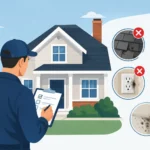
A rental can look clean, freshly painted, and ready for move-in while still having conditions that put tenants at risk or prevent approval. The top rental safety violations are often found in ordinary places: a missing detector outside a bedroom, a loose stair rail, an overloaded electrical panel, or a basement bedroom without a safe way out. These are not cosmetic concerns. They can affect occupant safety, create liability for an owner, and delay a rental inspection or turnover.
For Maryland landlords and property managers, the practical goal is not simply checking boxes before an inspection. It is maintaining a property that works safely every day a tenant lives there. Requirements can vary by jurisdiction, property type, and the age of the home, so local rental rules and the authority having jurisdiction should always guide final corrections. Still, the issues below are among the most common conditions worth addressing before they become larger problems.
Top Rental Safety Violations That Create the Most Trouble
Missing, expired, or poorly located smoke alarms
Smoke alarms are one of the first things an inspector or housing official may check, and one of the easiest items to overlook between tenants. A detector may be missing, painted over, disconnected, located incorrectly, or past its manufacturer-recommended replacement date. A unit that chirps because of a low battery is not a minor nuisance. It is a warning that the alarm may not operate when needed.
The number and placement of alarms depend on the layout and applicable rules, particularly around sleeping areas and each level of a home. Hardwired alarms with battery backup may be required in some situations, while existing homes may have different allowances than newly renovated properties. Do not assume that adding one battery-operated detector near the kitchen resolves every issue.
Before a tenant moves in, test each alarm, replace batteries where applicable, confirm alarms are securely installed, and record the date. If the property has interconnected alarms, verify that activating one causes the others to sound as intended.
Carbon monoxide hazards
Carbon monoxide is odorless and colorless, which makes detection especially critical where a rental has fuel-burning equipment, an attached garage, a fireplace, or another potential combustion source. Missing carbon monoxide alarms are a frequent safety concern, but the detector itself is only part of the equation.
A damaged furnace vent, improperly vented water heater, blocked chimney, or vehicle left running in an attached garage can introduce a serious hazard. Tenants may report headaches, dizziness, or nausea without realizing the cause. Landlords should treat these reports seriously and arrange prompt evaluation of fuel-burning systems by a qualified professional.
Carbon monoxide alarm placement and requirements can vary. Review the applicable local standards, test devices during turnover, and never rely on a tenant to discover a ventilation problem first.
Unsafe electrical conditions
Electrical issues deserve immediate attention because they can create shock and fire risks. Common examples include exposed wiring, open junction boxes, missing cover plates, damaged receptacles, loose outlets, extension cords used as permanent wiring, and double-tapped breakers or other panel defects.
Bathrooms, kitchens, garages, basements, and exterior receptacles often need extra attention because of moisture exposure. Ground-fault protection may be required or appropriate in these areas depending on the installation and local requirements. A receptacle may appear normal but fail a proper test, which is why visual checks alone are not enough.
Electrical repairs are not a good place for guesswork. If a breaker trips repeatedly, outlets feel warm, lights flicker, or tenants rely on power strips to make a room usable, have the condition evaluated. A licensed electrician can identify whether the problem is a simple repair or a sign that the circuit or panel needs more substantial work.
Blocked exits and unsafe bedroom egress
Every occupant needs a practical path out during a fire or other emergency. Doors that stick, windows painted shut, security bars without a quick-release mechanism, or storage piled in a stairway can turn a manageable emergency into a dangerous one.
Basement bedrooms require particular care. A room used for sleeping may need compliant emergency escape and rescue opening provisions, and a small basement window is not automatically adequate. Ceiling height, access, window dimensions, window well conditions, and other factors can matter. Calling a finished room a bedroom in a listing does not make it safe or compliant.
Walk the property as a tenant would. Open exterior doors, operate bedroom windows, check that hallways and stairs are clear, and make sure locks allow occupants to exit without needing a key or special knowledge. Security matters, but it cannot come at the expense of a safe escape route.
Missing handrails, loose guards, and deteriorated stairs
A loose handrail can be easy to ignore until someone falls. Rental properties commonly develop stair defects through normal wear: cracked treads, uneven risers, rotted exterior steps, loose porch railings, damaged decking, or inadequate lighting at a landing.
Handrails and guards serve different purposes. A handrail provides support on stairs, while a guard helps prevent falls from an elevated walking surface. Both need to be stable and properly secured. A decorative railing that wobbles under normal pressure is not providing reliable protection.
This is an area where maintenance timing matters. Waiting until a turnover can leave a current tenant exposed, especially during wet or icy Maryland weather. Address movement, rot, trip hazards, and poor lighting promptly rather than treating them as a future renovation project.
Water intrusion, mold-like growth, and unsafe moisture conditions
Water problems are rarely limited to appearance. A roof leak, plumbing drip, failed bathroom exhaust fan, or damp basement can damage building materials and support mold growth. Peeling paint, stained ceilings, soft flooring, musty odors, and visible growth should trigger a closer look at the moisture source.
Simply painting over staining or applying a cleaner to visible growth does not solve the underlying issue. The leak, humidity condition, or ventilation failure needs correction first. The right response depends on the extent of damage and the materials affected. Small, isolated surface issues may call for repair and cleaning, while widespread damage or recurring growth may warrant further evaluation.
In older Maryland rentals, deteriorated paint also deserves careful attention, particularly where lead-based paint rules may apply. Peeling paint around windows, doors, porches, and stairways is not just a turnover item. It can create a health concern for children and should be handled using appropriate procedures.
Inadequate heat, hot water, plumbing, or ventilation
Tenants need reliable essential systems, not temporary workarounds. A furnace that runs but cannot maintain reasonable indoor temperatures, a water heater with unsafe discharge piping, active plumbing leaks, or a bathroom with no effective ventilation can all lead to complaints, property damage, and potential violations.
Check heating performance before cold weather arrives. Confirm that supply registers are open, filters are maintained, and the thermostat responds correctly. Look at water heaters for leakage, corrosion, venting concerns, and proper safety components. In bathrooms and laundry areas, make sure exhaust equipment actually moves moisture outdoors where applicable, rather than simply making noise.
Portable space heaters and dehumidifiers may provide temporary comfort, but they should not be used to hide failed building systems. They can introduce additional fire, electrical, and moisture risks when relied on long term.
A Better Way to Prepare for Rental Inspection
The most efficient approach is a deliberate pre-inspection walk-through, ideally after repairs are complete and before a tenant is scheduled to move in. Test alarms and receptacles, operate windows and doors, run plumbing fixtures, inspect stairs and railings, look under sinks, and check every room for damage or moisture. Document completed repairs with dates, invoices, and photographs when appropriate.
It also helps to separate immediate life-safety repairs from upgrades that can be planned. Exposed wiring, inoperative alarms, missing guards, active leaks, and blocked exits should not wait. A worn countertop or dated fixture may affect marketability, but it does not carry the same urgency.
A professional rental inspection can provide a clear, property-specific record of conditions that need attention. InSpec Home Inspections Maryland helps landlords and property managers understand findings in plain language so repairs can be prioritized before an inspection deadline or tenant move-in. A professional inspection does not replace local code enforcement, but it can identify concerns early and reduce costly surprises.
Rental safety is best managed as an ongoing responsibility, not a last-minute response to an inspection notice. A property that is regularly maintained protects tenants, preserves the building, and gives landlords a stronger foundation for every lease renewal and turnover.